French Open Chaos Sets Stage for Maiden Grand Slam Winner
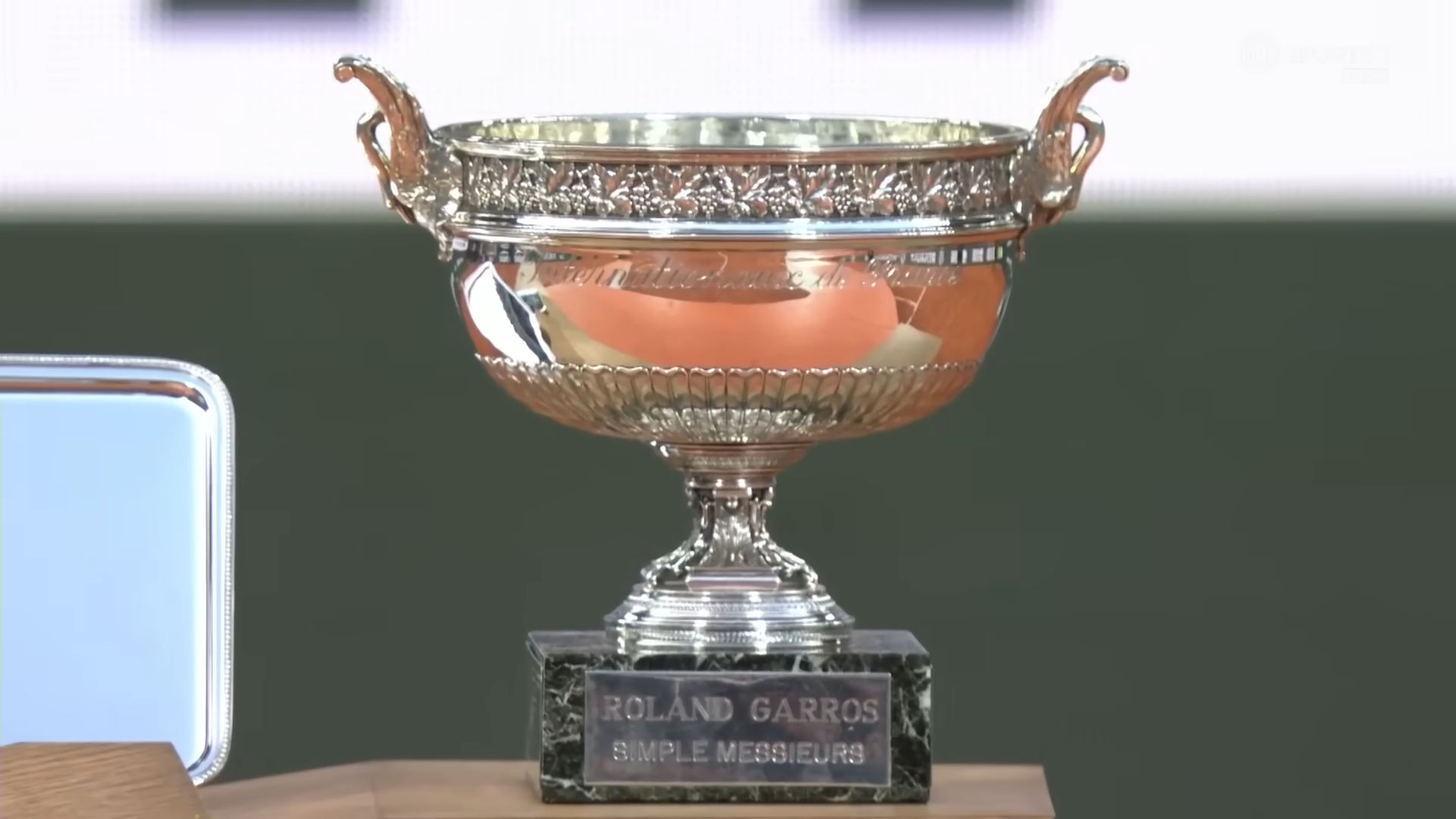 One of Alexander Zverev, Jakub Mensik, Flavio Cobolli or Matteo Arnaldi will leave Roland Garros as a maiden Grand Slam champion after a tournament that has defied expectations from the very beginning.
The French Open appeared destined to be dominated by world number one Jannik Sinner, but his surprise second-round exit dramatically altered the landscape of the men’s draw. What looked like a straightforward path to the title suddenly became one of the most open Grand Slam events in recent memory.
Alexander Zverev – favourite under pressure
With Sinner eliminated, Zverev emerged as the leading contender. The German has spent much of the past decade among the sport’s elite and has long been tipped to win a major title, yet Grand Slam success has remained frustratingly out of reach.
The 28-year-old came agonisingly close at the 2020 US Open, where he surrendered a two-set advantage against Dominic Thiem in the final. Four years later, he reached the French Open final but was beaten by Carlos Alcaraz, while a defeat to Sinner in the Australian Open final further extended
The rise of Alcaraz and Sinner has led many to wonder whether Zverev’s best opportunity had already passed. However, with both players absent from the latter stages in Paris, along with 24-time Grand Slam champion Novak Djokovic, the German finds himself presented with another golden chance to claim the sport’s biggest prize.
Despite being viewed by many as the favourite, Zverev insists he is paying little attention to outside expectations.
“I focus on the next match and on the opponent as they cross the net, and that’s the only thing that I can control,” he said.
“If I win those matches, then that’s great.”
Jakub Mensik – arriving on the big stage
Czech 26th seed Jakub Mensik has quickly built a reputation as one of the most exciting young prospects in the game, widely tipped as part of the next wave of challengers to the established dominance of Jannik Sinner and Carlos Alcaraz.
At just 20, Mensik combines a powerful serve with impressive defensive resilience, along with the kind of fluid movement that has already stood out during his run to the latter stages in Paris. His quarter-final victory over Brazilian teenager Joao Fonseca was a particular showcase of both skill and composure, especially as he eventually closed out the match on his seventh match point.
That mental strength is nothing new. Mensik has already proven he can deliver on the biggest stages, most notably when he defeated Novak Djokovic to win the Miami Open last year, a result that underlined his potential to compete at the very top of the sport.
Now, however, the question is whether he can replicate that level of performance over the course of a Grand Slam campaign, where pressure and expectation are magnified.
Cobolli & Arnaldi – unlikely semi-finalists
If anyone had been asked before the French Open to predict which two Italian men would reach the semi-finals, Jannik Sinner would have been the obvious pick. For the second name, most would have leaned towards 10th seed Flavio Cobolli rather than world number 104 Matteo Arnaldi.
Instead, it is Cobolli and Arnaldi who find themselves facing each other in a Grand Slam semi-final, having defied expectations in Paris to reach the biggest stage of their careers.
The pair first met at the age of 11 on the junior circuit and have known each other ever since. More than a decade later, they meet again with a place in a Grand Slam final on the line.
Cobolli arrives with more experience at the top level, including a Wimbledon quarter-final appearance last year, and a growing reputation for handling big moments. Asked about the pressure of this stage, he played down any sense of burden.
“Depends how you live this kind of thing. I never put pressure on myself,” said Cobolli, who was a promising footballer in Roma’s academy before focusing on tennis.
“I like to live the moment like if I was a kid, just with big passion and a big smile.”
Arnaldi, meanwhile, has had a far more turbulent route into the latter stages of a major. The 25-year-old had only twice reached the second week of a Grand Slam in 12 previous main-draw appearances, with his season also disrupted by a persistent foot injury that halted his momentum.
He admitted earlier in the year that the previous six months had been the toughest of his career, making his run in Paris all the more unexpected. After spending close to 20 hours on court during his breakthrough run, he insists he still has more to give.
“I can’t complain. I have been playing a lot, but at the same time, I’m happy to be on court because I miss the playing,” he added.
“I have some energy left for the next matches.”
- Display 9 Products per page