BHA announces new jumps starting procedures from Monday after Cheltenham Festival mayhem
 The changes will come into effect from Monday 5 October and have been developed following consultation with jockeys, trainers and racing officials.
They will initially operate on a trial basis for between six and eight weeks before the BHA considers whether any further adjustments are required.
Starts have become an increasingly prominent issue at some of the biggest meetings on the jumps calendar, particularly the Cheltenham Festival. According to BHA figures, the proportion of Festival races featuring an aborted start increased from around 18% in 2022 to almost 40% in 2026. Across jumps racing as a whole, the figure has remained considerably lower at approximately 3% to 4% over the same period.

How will jumps races now be started?
One of the biggest changes will be the introduction of a clearly defined starting area.
A new set of marker poles will be positioned up to 40 yards behind the existing starting markers, creating an area which the field must enter before the starter is permitted to begin the race. The front rank of horses must have reached this designated area before the tapes can be released.
The BHA hopes this will give riders greater certainty about exactly where the starting process begins and prevent fields from approaching the tapes too quickly or becoming disorganised before the race gets underway.
There will also be a change to the permitted pace of horses approaching the tapes. The existing wording of “walk or jig-jog” will be replaced by “walking pace”, with the front rank required to approach no faster than a walk. Horses that have dropped behind the remainder of the field will still be permitted to trot until they have caught up.
Together, the measures are intended to make starts more controlled and consistent while reducing the likelihood of horses being called back following an initial attempt.
Cheltenham Festival false starts prompted review
The changes follow a review of starting procedures after the 2026 Cheltenham Festival, where false and aborted starts became a significant talking point.
The BHA confirmed after the Festival in March that it would conduct a full review, with jockeys among those consulted over possible improvements. Riders including Keith Donoghue, Jack Kennedy, Danny Mullins, Harry Skelton and Mark Walsh subsequently contributed to the process.
Cathy O’Meara, Head of Raceday Officials for the BHA, said the organisation was hopeful that the changes would provide “greater certainty for jockeys and the viewing public” while reducing false starts at major meetings.
The Professional Jockeys Association has also welcomed the revised approach. Executive Director Dale Gibson acknowledged that false starts cannot be eliminated completely, particularly in valuable large-field races, but said the changes should result in an improved starting process.
Further changes planned at Cheltenham
The new starting procedure is only one part of the wider work being undertaken following the review.
Changes are also being made to the track layout around two of the most problematic starting points at Cheltenham, covering races beginning over two miles and two-and-a-half miles. The revised layouts are scheduled to be in operation for the November Meeting.
The BHA is also considering a tiered penalty system specifically for Class 1 and Class 2 races, with consultation continuing ahead of a possible introduction during the first quarter of 2027.
Another proposal would introduce live audio recording around starting areas, allowing communication between starters and jockeys to be relayed directly to the stewards’ room. The BHA is exploring the technology required with the intention of potentially having the system available ahead of the 2027 Cheltenham Festival.
Trial begins as the jumps season gathers momentum
The first stage of the new system will begin on 5 October, giving officials and riders the opportunity to assess how it operates before some of the biggest fixtures of the winter.
During the initial six-to-eight-week trial, riders who breach the new elements of the procedure will be informed by stewards but will not receive a penalty. Existing starting offences will continue to be dealt with under the current rules.
Feedback will continue to be gathered from jockeys, trainers and officials throughout the trial, with the BHA retaining the option of altering or extending it before the procedures are formally introduced.
With major meetings at Cheltenham and elsewhere approaching, the trial should provide an early indication of whether the revised system can reduce the false starts that have increasingly affected high-profile races.
Horse racing hospitality with Eventmasters
The start of the core jumps season begins the build-up towards some of the biggest occasions on the British horse racing calendar, including the Cheltenham Festival and the Grand National.
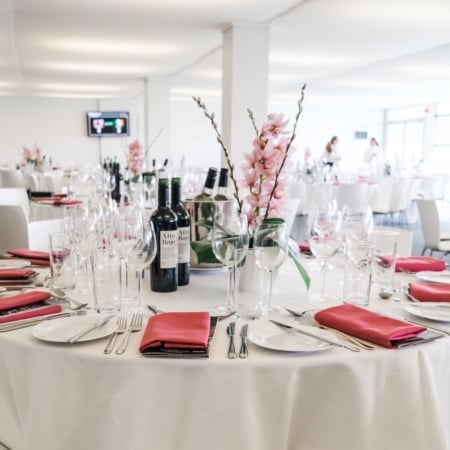
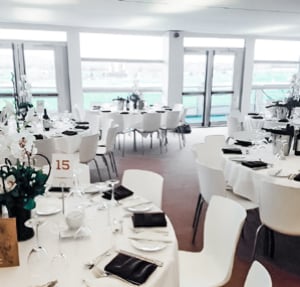
Eventmasters offers a range of horse racing hospitality packages, providing premium ways to experience leading race meetings throughout the season. Packages can include outstanding racecourse views, premium dining, complimentary drinks and exclusive hospitality facilities, depending on the event and experience selected.
Whether entertaining clients, rewarding colleagues or attending one of racing’s major meetings with family and friends, guests can register their interest in Eventmasters horse racing hospitality ahead of the biggest fixtures of the 2026/27 jumps season.
Frequently Asked Questions
When will the new jumps racing starting procedures begin?
The new procedures will be introduced from Monday 5 October 2026 and will initially operate as a trial for between six and eight weeks.
What is the new start area in jumps racing?
A new set of marker poles will create a visible starting area up to 40 yards behind the existing markers. A race cannot begin until the front rank of the field has entered this area.
How quickly can horses approach the starting tapes?
The front rank will be required to approach the tapes at walking pace. This replaces the previous wording which allowed horses to approach at a “walk or jig-jog”.
Why has the BHA changed the starting procedure?
The changes are intended to create more controlled and consistent starts and reduce the number of false or aborted starts. The issue has been particularly noticeable at major meetings, with almost 40% of races at the 2026 Cheltenham Festival experiencing an aborted start.
Will jockeys be penalised during the trial?
Riders who breach the new elements of the procedure during the initial trial will be advised by the stewards but will not receive a penalty. Existing rules and penalties relating to starts will remain in force.
Can I attend major horse racing meetings with Eventmasters hospitality?
Yes. Eventmasters offers horse racing hospitality at a range of leading fixtures, with packages available for major meetings including the Cheltenham Festival and Grand National.
View our VIP Horse Racing Hospitality Experiences
- Display 9 Products per page