Saints and Chiefs Set to Meet at Twickenham for Gallagher Premiership Final
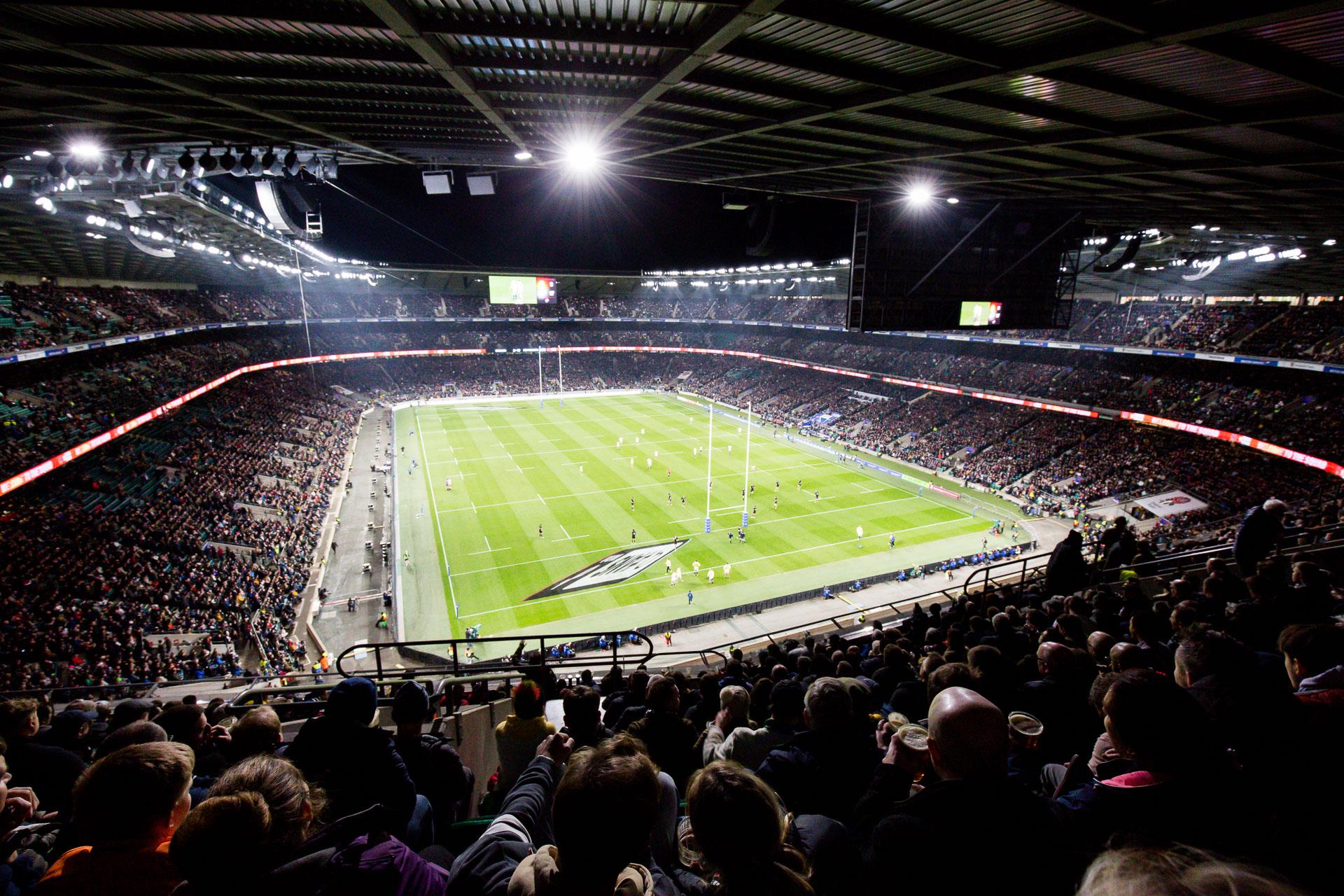
The Gallagher Premiership Final is set, and it brings together two sides who have arrived in completely different ways but with the same end result, a place at Allianz Stadium with the title on the line.
Northampton Saints booked their spot after a breathless East Midlands semi-final against Leicester Tigers, a match that never really settled into anything resembling control and instead turned into a relentless exchange of tries, momentum swings and attacking brilliance that eventually ended 45-31 in Saints’ favour.
On the other side, Exeter Chiefs produced something far more controlled in chaos, as they overturned a 26-10 half-time deficit against Bath at the Recreation Ground to win 27-26, completing one of the most impressive comebacks of the season and breaking the defending champions in the process.
What makes the final so compelling is not just that both teams have earned their place, but the way in which their semi-finals reflected exactly who they are as teams, one built on tempo, attacking width and constant pressure, the other on patience, physicality and an ability to stay alive in matches that look gone.
Saints overwhelm Leicester in a game that never slowed down
Northampton’s semi-final against Leicester was played at a pace that felt almost unsustainable at times, with Tom Litchfield scoring inside two minutes to immediately set the tone for what followed.
From that moment onwards, the game never really settled. Leicester responded through Hanro Liebenberg and Freddie Steward, briefly nudging themselves ahead, but Northampton’s attacking structure and speed at the breakdown meant every time they were challenged, they found an answer almost immediately.
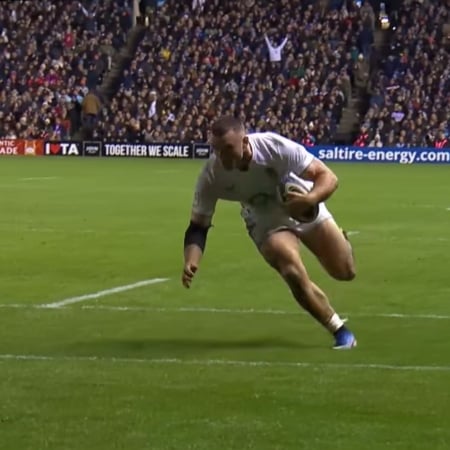
Litchfield’s hat-trick before half-time summed up the nature of the contest, with space opening up repeatedly and Saints showing no hesitation in exploiting it. George Furbank, in what proved to be a hugely emotional final home appearance before his move to Harlequins, delivered two tries of his own and was central to everything Northampton built in attack.
Tommy Freeman added further spark out wide, while Archie McParland’s try came after a flowing move that began deep and ended with Saints stretching Leicester beyond their defensive shape once again.
Leicester did contribute to the spectacle, particularly through Ollie Hassell-Collins who crossed twice, but they were forced to chase the game for long periods and were never able to fully slow Northampton’s momentum once it gathered pace.
By the end, it felt less like a structured semi-final and more like Northampton simply refusing to allow the game to become anything other than open and fast, which ultimately carried them through to another final at Twickenham.
Chiefs claw their way back from the brink at The Recreation Ground
If Northampton’s victory was defined by pace and attacking fluency, Exeter’s was shaped by patience, resilience and the ability to absorb pressure long enough to completely change the direction of a match.
At half-time, Bath looked firmly in control with a 26-10 lead, having built momentum through powerful carries and clinical finishing that suggested they were heading back to the final as defending champions with little drama.
However, Exeter refused to disappear from the contest, and what followed after the break was a gradual shift rather than an immediate swing, as small gains in territory and physical dominance began to tilt the balance.
Ben Hammersley provided the initial spark, Greg Fisilau followed with another crucial score, and Christ Tshiunza’s individual brilliance added further belief to a side that suddenly began to feel inevitable rather than overwhelmed.
As Bath began to lose control of both territory and discipline, particularly after Joe Cokanasiga’s yellow card, Exeter continued to apply pressure until Greg Burger eventually forced them into the lead for the first time in the match.
Even then, Bath had one final opportunity to reclaim the game, building through more than 40 phases in the closing minutes, but Exeter’s defence held firm on their own line to complete a comeback that felt as much psychological as it did physical.
It was the kind of win that does not just send a team to a final, but fundamentally reinforces belief in how they want to play under pressure.
The Final
The final at Allianz Stadium now brings together two teams whose identities could not be more different in style but are equally effective when executed at their best.
Northampton will look to inject pace into the contest from the outset, leaning on quick ruck speed, wide attacking shapes and their ability to turn broken play into scoring opportunities in a matter of phases. When they are able to dictate tempo in the way they did against Leicester, they become extremely difficult to contain for sustained periods.
Exeter, meanwhile, will be far more comfortable if the game becomes fragmented and physical, relying on set-piece pressure, defensive resilience and the belief that they can stay within reach long enough to strike late, as they did so effectively against Bath.
There is also a sense that both sides arrive with different emotional momentum. Northampton carry the confidence of a team that has already lifted this trophy recently and knows exactly what is required at this stage, while Exeter arrive with the renewed belief of a side that has rebuilt itself through adversity and found form at exactly the right time.
- Display 9 Products per page