Cheltenham to make track changes after review into Festival false start chaos
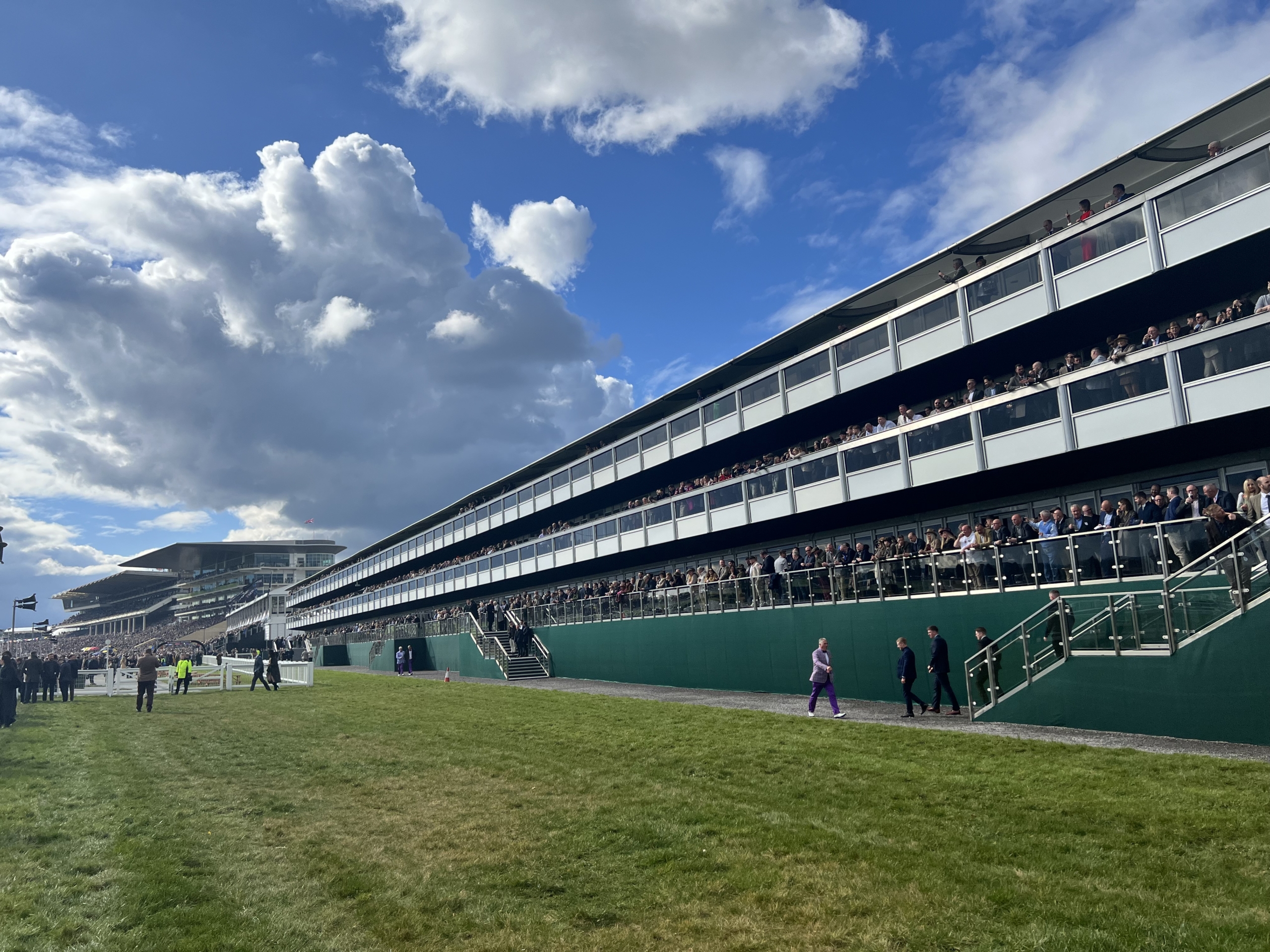 Cheltenham Racecourse is set to undergo changes to its track layout ahead of the new National Hunt season as part of a major review into the false start problems that disrupted this year’s Festival.
The changes will focus on two of the course’s most challenging starting areas, with adjustments being made to the two-mile and two-and-a-half-mile starts on both the Old and New courses in an attempt to reduce congestion and create smoother race preparations.
The move comes after false starts became one of the biggest talking points of the 2026 Cheltenham Festival, where almost 40 per cent of races were affected by aborted starts.
The issue reached its peak during Wednesday’s Turners Novices’ Hurdle, when two false starts led 14-time champion trainer Paul Nicholls to describe the situation as “ludicrous”, claiming it had cost favourite No Drama This End any chance of success.
While false starts in British jump racing have remained relatively consistent in recent years, Cheltenham Festival has seen a significant rise. BHA figures show that the number of Festival races affected has increased from 18 per cent in 2022 to just under 40 per cent this year.
Following the disruption, the British Horseracing Authority carried out a wide-ranging review involving jockeys, trainers, race officials, broadcasters and betting representatives, alongside an analysis of data from previous starts.
The review has resulted in several recommendations, with some specifically aimed at Cheltenham and others set to be introduced across jump racing more widely.
Cheltenham starting areas to be redesigned
The biggest change at Prestbury Park will see work carried out on the two-mile and two-and-a-half-mile starting points, which were identified as key areas contributing to difficulties before races.
The review found that narrow holding pens, the funnel effect created as runners move towards the tapes, and races beginning on a bend could all contribute to increased congestion and acceleration before the start.
Cheltenham clerk of the course Jon Pullin confirmed that work has already begun to address those concerns.
“We’ve worked closely both with participants and the BHA since this year’s festival and have made a number of layout changes to the two and two and a half mile starts on both the Old and New courses,” Pullin said.
“We will be monitoring them closely as our season begins along with any other impacts of the wider proposed changes to starting procedures as they bed in.”
The alterations will be monitored throughout the season to assess whether they improve the flow and consistency of race starts.
Wider changes planned for jump racing
Alongside the Cheltenham-specific improvements, the review has recommended a number of changes that will apply across British jump racing.
One of the key proposals is the introduction of clearly marked “start zones” at racecourses, giving starters a defined area where races can begin and providing greater consistency for jockeys.
The wording of the rules will also be changed, with the current requirement for horses to approach the tapes at “walk or jig-jog” pace being replaced by a clearer “walking pace” rule.
Further measures include stronger penalties for breaches of starting procedures in Class 1 and Class 2 races, following a similar escalation model to existing whip regulations.
A live audio recording system will also be introduced at starting areas, with communications between starters and jockeys fed directly into the stewards’ room to improve oversight and decision-making.
However, one area that will remain unchanged is the use of standing starts. Despite criticism following the recent false starts, the current system, which allows for two attempts at a walking start, will stay in place.
BHA: Changes will help but are not a complete solution
Cathy O’Meara, the BHA’s head of raceday officials, believes the review has provided a clearer understanding of the issues surrounding starts at Cheltenham.
“The feedback, combined with the detailed data analysis, has given us a clear picture of the recurring challenges at Cheltenham, particularly around course configuration, the approach to the tapes, and the need for greater clarity and consistency in starting procedures,” O’Meara said.
“Cheltenham is a unique environment. It is the pinnacle of jump racing, with the intensity, atmosphere and significance of the meeting all contributing to the pressure at the start.
“Our starters do an excellent job in the toughest circumstances, and these recommendations are designed to support them and the jockeys, from improving the physical layout at the most problematic starts to simplifying the rules, enhancing communication, and strengthening regulation where needed.”
O’Meara also warned that the changes alone would not solve every issue.
“We hope these changes will lead to an improvement to starts at the festival and across jump racing. But they are not a golden bullet,” she added.
“Success also depends on everyone involved doing their part to observe the starting procedures. We will monitor how these measures bed in throughout 2027 and continue to refine them where necessary to ensure the best possible experience for horses, jockeys and racing fans.”
The Professional Jockeys Association welcomed the findings, with executive director of racing Dale Gibson highlighting the importance of fair and safe starts for everyone involved in the sport.
“A smooth and fair start for all horses is important for everyone – jockeys, trainers, owners, racing staff, and those betting on the sport – and the PJA and our members were keen and active participants in the review as a result,” Gibson said.
“We welcome the outcome of the review and the recommendations, many of which were proposed by senior riders and our safety officers, working with the racecourse and the BHA course inspectorate, and will continue to work closely with our members and the BHA on the remaining areas for consultation.”
The recommendations are not yet fully in place across the sport, but Cheltenham has already begun making changes to its course layout. The effectiveness of those adjustments will be closely watched when racing returns to Prestbury Park for the new season.
View our VIP Horse Racing Hospitality Experiences
- Display 9 Products per page