Royal Ascot’s Royal Enclosure: The History, Traditions and Rules Behind Britain’s Most Exclusive Sporting Hospitality
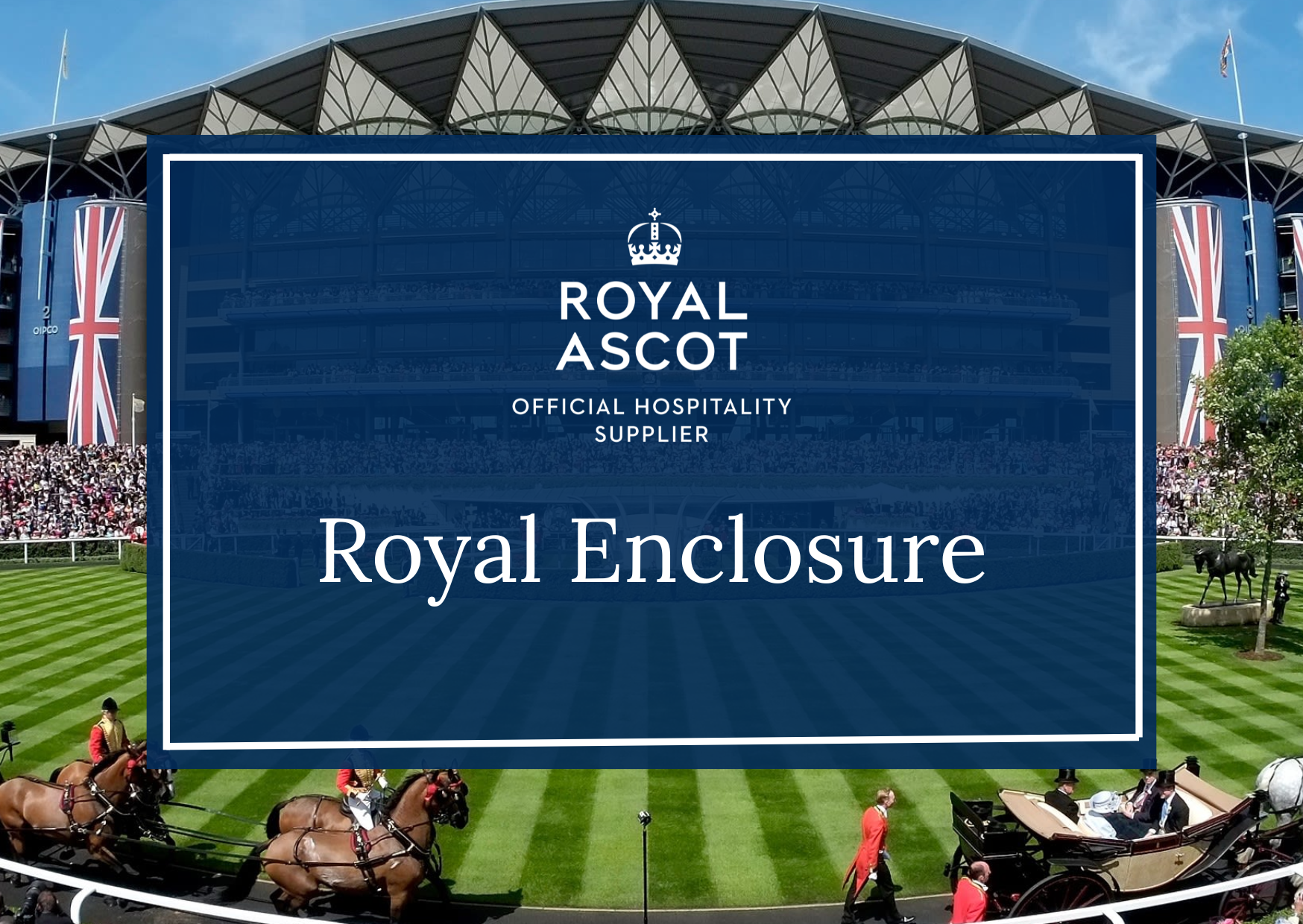 Steeped in tradition, etiquette and royal heritage, the enclosure sits at the heart of one of Britain’s most prestigious sporting and social events.
While the racing itself attracts some of the finest thoroughbreds in the world, the Royal Enclosure has become almost as famous for its strict dress code, exclusive membership and centuries-old customs.
The History of the Royal Enclosure
The origins of Royal Ascot stretch back to 1711 when Queen Anne established racing at Ascot after identifying an area of heathland she believed would be ideal for horses to gallop.
The Royal Enclosure itself was introduced much later. In 1807, a section of the racecourse was reserved exclusively for members of the Royal Family and their guests, creating what would become the most prestigious area at the meeting. Over time, access expanded to include members who were elected and sponsored by existing members, helping establish the enclosure’s reputation for exclusivity and tradition.
Why Is It So Exclusive?
Unlike the public enclosures at Royal Ascot, entry to the Royal Enclosure is restricted to members and their guests.
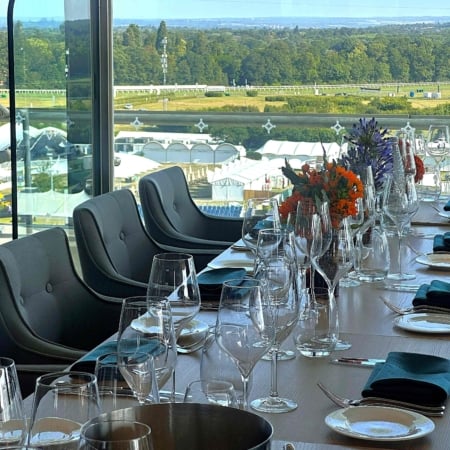
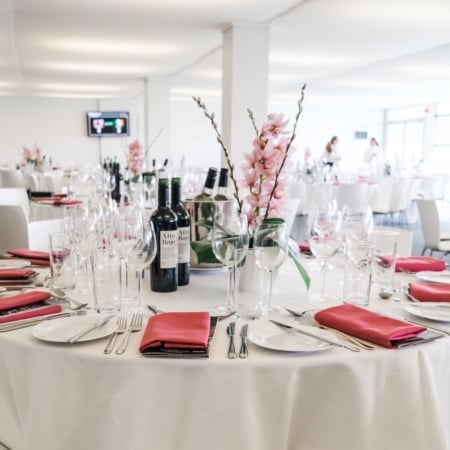
The enclosure occupies prime viewing positions around the Parade Ring and Winning Post, while also offering access to private gardens, restaurants and hospitality facilities. Membership is traditionally viewed as a mark of social standing and involvement in British racing and society.
While the exclusivity is part of its appeal, the Royal Enclosure is equally renowned for preserving traditions that have remained largely unchanged for generations.
The Royal Enclosure Dress Code
The Royal Enclosure operates the strictest dress code anywhere at Royal Ascot and adherence is taken seriously. The regulations are designed to maintain the formal atmosphere that has become synonymous with the event.
Rules for Ladies
Women are required to wear formal daywear, with dresses and skirts falling just above the knee or longer.
Straps on dresses and tops must measure at least one inch wide, while strapless, off-the-shoulder, Bardot, one-shoulder and halter-neck designs are prohibited. Trouser suits are permitted provided they are full-length and made from matching material, while jumpsuits are also acceptable if they follow the same length requirements as dresses.
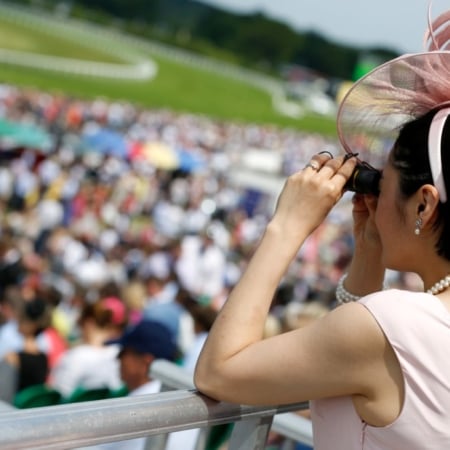
Hats remain compulsory. Alternatively, a headpiece with a solid base measuring at least four inches in diameter can be worn. Fascinators without a substantial base are not permitted.
Rules for Gentlemen
Men must wear traditional morning dress consisting of a black, grey or navy morning coat, waistcoat and tie. Cravats are not permitted, although colourful and patterned ties are acceptable. A black or grey top hat is mandatory, while black shoes must be worn with socks covering the ankle.
Top hats can only be removed in specific areas such as restaurants, private boxes, clubs and designated enclosed spaces within the enclosure. Customised or novelty top hats are also prohibited.
More Than Just Fashion
The dress code is often viewed as one of Royal Ascot’s defining characteristics, but its purpose extends beyond appearance.
The regulations help preserve traditions dating back more than two centuries and contribute to the unique atmosphere that separates Royal Ascot from other sporting events. The influence of Regency-era style icon Beau Brummell can still be seen in many of the standards applied today, particularly in the requirements surrounding morning dress.
While fashions have evolved, the Royal Enclosure remains committed to maintaining standards that reflect its heritage and royal connections.
A Symbol of British Tradition
In an era when many sporting events have embraced a more relaxed approach to dress and etiquette, the Royal Enclosure remains proudly traditional.
From the arrival of the Royal Procession to the sea of top hats and elaborate millinery, it offers a glimpse into a uniquely British spectacle that combines world-class racing with centuries of history.
For those fortunate enough to gain access, the Royal Enclosure is more than simply the best seat at Ascot. It is a chance to become part of one of the most enduring traditions in British sport.
How You Can Still Attend
With limited hospitality packages and tickets remaining for next week’s Royal Meeting, now is the perfect opportunity to secure your place and experience five unforgettable days of world-class racing, timeless tradition and exceptional hospitality at Ascot Racecourse.
View our VIP Horse Racing Hospitality Experiences
- Display 9 Products per page