Who Will England Pick for the First Test Against New Zealand This Summer?
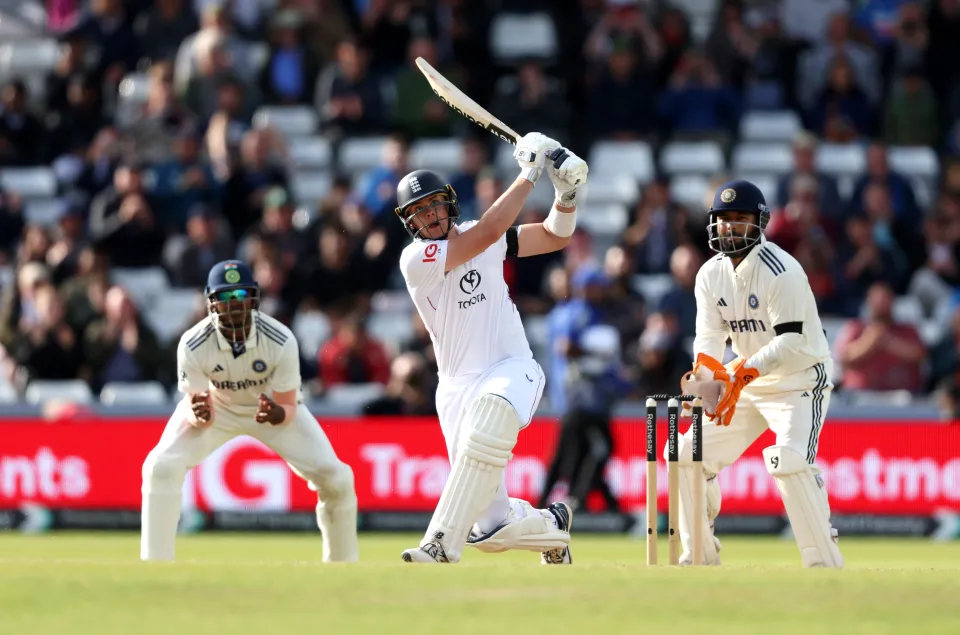
After the wreckage of the Ashes defeat in Australia, the pressure is on Ben Stokes, Brendon McCullum and Rob Key to prove this England side still has a long-term future.
The squad for the opening Test at Lord’s will offer the clearest indication yet of where England believe their red-ball future lies.
From the opening partnership to the spin attack and a completely reshaped pace unit, almost every major discussion point ahead of the New Zealand series feels tied to the bigger picture of rebuilding England’s Test side.
Is this the end of the road for Zak Crawley?
Few players divide opinion quite like Zak Crawley, but England may finally be running out of reasons to persist with him at the top of the order.
The Kent batter has now been given more than 100 Test innings and still averages just above 30. His struggles in Australia exposed the same technical flaws that have followed him throughout his career, while his County Championship form this spring has done little to strengthen his case.
England are unlikely to overhaul both openers at once, which could work in Ben Duckett’s favour despite his own disappointing Ashes tour. Duckett still has credit in the bank because of the aggression and fluency he showed during England’s rise under McCullum.
That leaves the selectors with a major decision. Persist with Crawley and hope familiarity breeds consistency, or start building towards the future before the New Zealand series becomes another missed opportunity.
Which young opener is ready for the step up?
England’s top-order succession plan suddenly feels more active than it has in years.
Durham pair Ben McKinney and Emilio Gay have both strengthened their cases during the opening weeks of the county season, while Somerset’s James Rew continues to be viewed as one of the brightest red-ball batting talents in the country.
Rew’s versatility appeals to England, particularly given his strong first-class record at such a young age. However, he remains more naturally suited to the middle order and may instead travel as reserve batting cover.
Gay has arguably been the standout performer statistically, piling up Championship runs after his winter Lions experience in Australia. McKinney, meanwhile, appears to possess the higher ceiling in England’s eyes. His hundred for the Lions against Australia A last year marked him out as a player capable of handling elite pace attacks.
Whoever gets the nod would arrive under immediate pressure against a disciplined New Zealand attack that rarely gifts opportunities.
Rehan Ahmed could solve two England problems at once
England’s handling of spin during the Ashes exposed how little certainty exists beyond Joe Root’s part-time off-breaks.
Shoaib Bashir was asked to develop on the biggest stage, while Will Jacks ended up filling the role more through necessity than long-term planning. Neither solution fully convinced.
That is why Rehan Ahmed’s case feels increasingly compelling ahead of the New Zealand series.
England have long believed Ahmed possesses rare talent, but he has never been handed an extended run as the lead spinner in home conditions. His leg-spin offers variation and unpredictability, something England badly lacked in Australia, while his batting adds major balance to the side.
Ahmed already looks capable of becoming a genuine all-rounder in Test cricket. With six first-class centuries, he would strengthen England’s lower order immediately and reduce the burden on Stokes’ seam attack.
England’s pace attack is entering a completely new era
For the first time in almost two decades, England head into a home Test summer without James Anderson, Stuart Broad or Chris Woakes leading the attack. That reality alone makes this New Zealand series feel like a turning point.
Josh Tongue and Gus Atkinson appear central to England’s plans moving forward, although injuries and fitness concerns continue to cloud the wider seam picture. Brydon Carse is unavailable, Jofra Archer’s return may not come until later in the series due to IPL commitments and Mark Wood’s Test future seems all but over.
As a result, opportunities are opening up everywhere.
Sam Cook’s relentless consistency for Essex has again reignited calls for his inclusion, while Matthew Potts still feels like an unfinished project at Test level. Olly Stone’s pace gives him genuine wicket-taking threat if he can stay fit.
Beyond the established names, England are also monitoring a wave of young quicks. Sonny Baker remains highly rated despite a difficult introduction to international cricket, while Lancashire’s Mitchell Stanley is already viewed by some within the game as a future leader of England’s attack.
The challenge for selectors is balancing immediate competitiveness against New Zealand with building a bowling group capable of surviving future Ashes battles.
More than just a three-match series
The New Zealand series is effectively the first chapter of England’s next Test cycle.
Selection choices will reveal whether England still believe experience can rescue this side, or whether the time has come to accelerate the next generation.
There are difficult calls everywhere. Stick or twist with Crawley. Back raw pace or dependable control. Choose safety with spin or invest in Ahmed’s potential.
Whatever England decide, the squad named for the series will say plenty about the direction the ECB want to take going into a huge summer of cricket.
Watch England in Style with our Cricket VIP Hospitality Experiences
- Display 9 Products per page